B2B • Design system
Building an Enterprise Design System for Design-to-Code
Overview
A growing platform needed a shared visual language
As PrimeThoughts, the company behind Prime Compass, expanded its enterprise platform, inconsistent UI patterns and disconnected design-to-code workflows made it harder to maintain a cohesive product experience.
The challenge
- Inconsistent patterns across product modules.
- Repeated design and development effort.
- Keep semantic meaning consistent across complex states and data visualizations.
- Design decisions that were difficult to translate into code.
Key insight
The system needed to connect design decisions with implementation, giving designers and AI-assisted coding workflows a consistent foundation to build from.
Solution
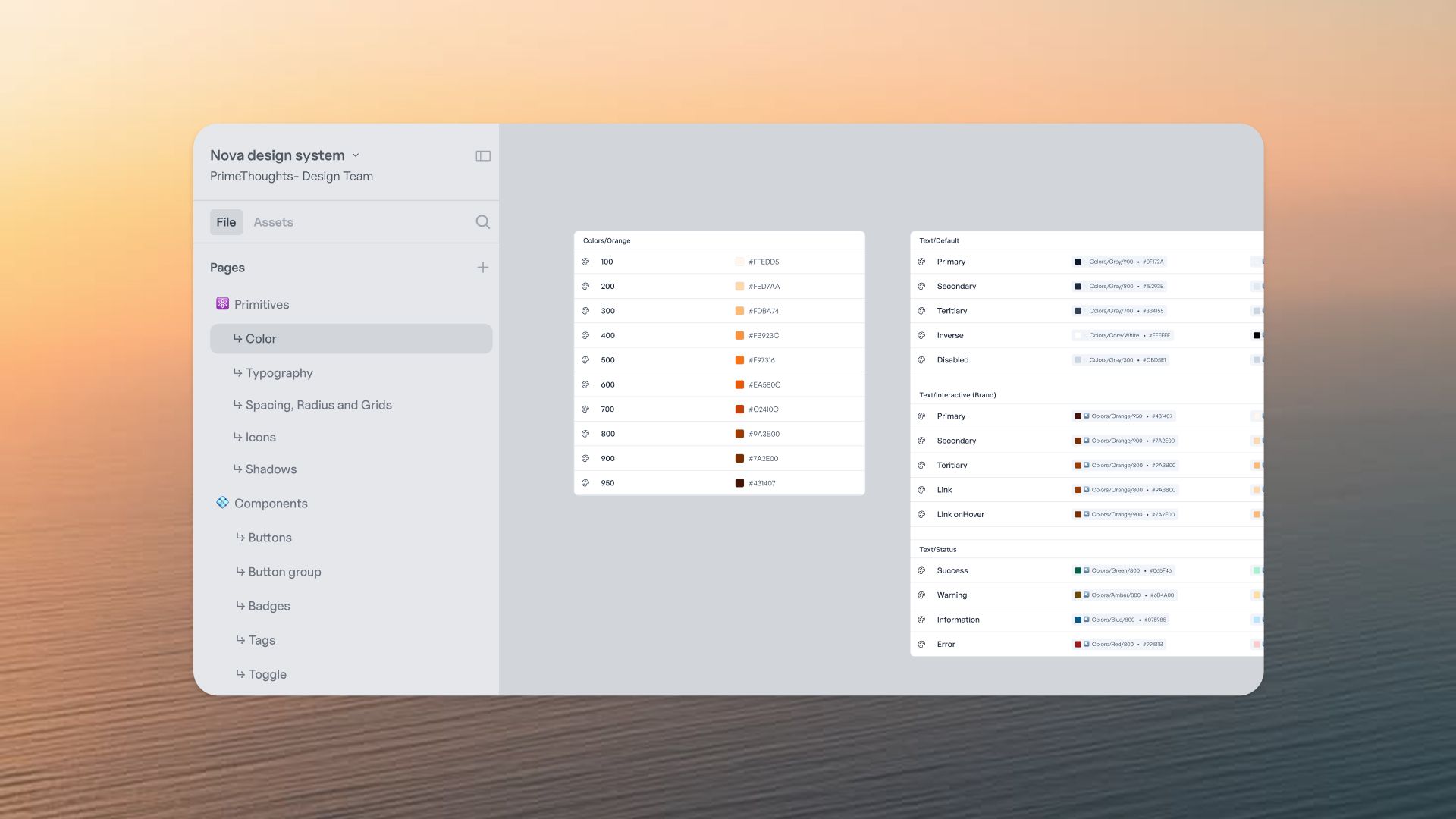
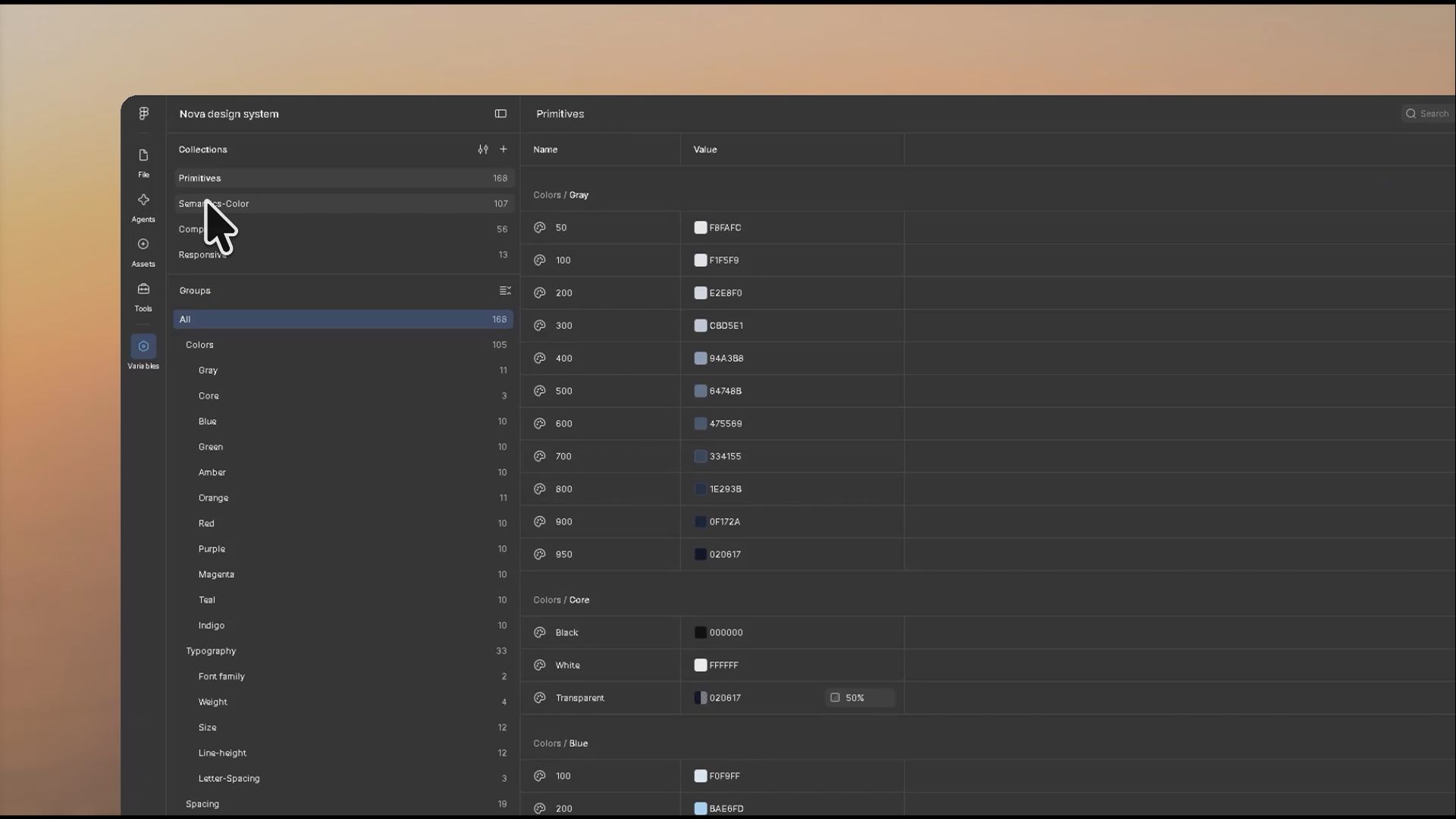
Creating a three-tier token architecture
I structured the design system around primitive, semantic, and component-level tokens, creating a consistent foundation for reusable UI patterns and implementation.
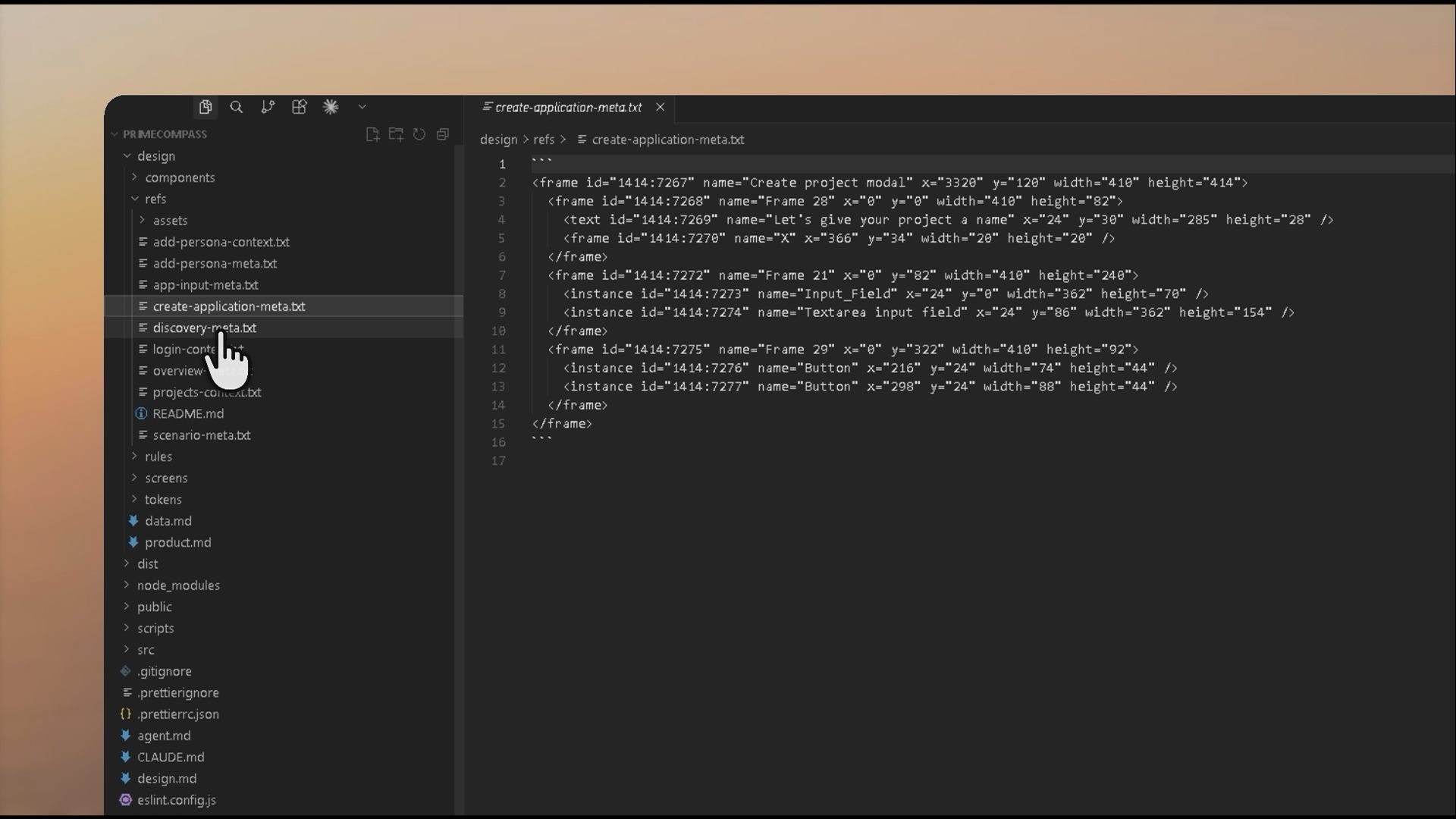
Making the system usable in AI-assisted workflows
I structured the design system into modular Markdown files, separating components, design tokens, rules, screens, and references. Files like product.md and data.md provided additional context, giving Cursor/Claude a structured source of truth to reference when generating and modifying UI directly in code.
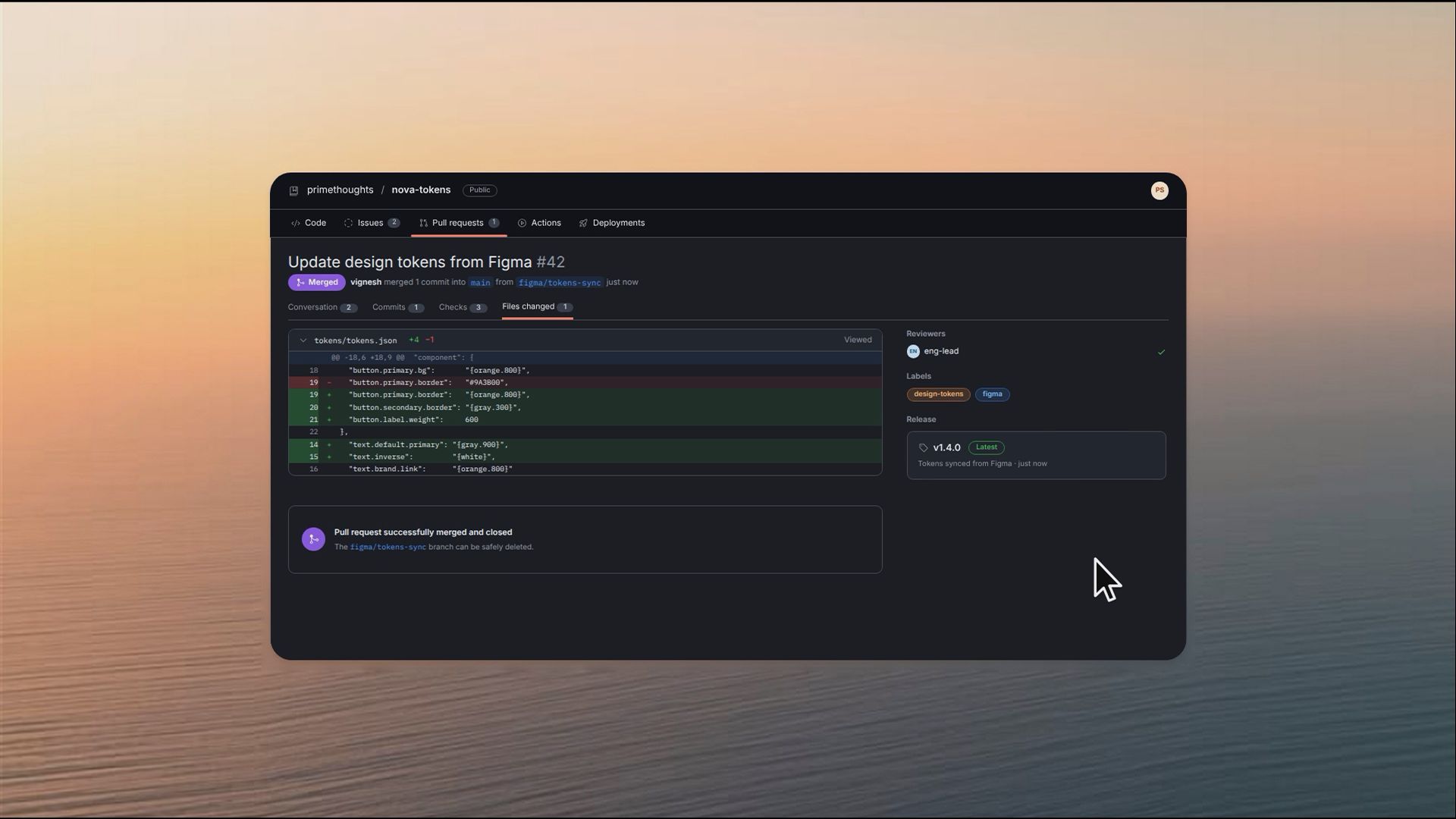
Connecting design decisions to implementation
I exported design tokens from Figma, versioned them through GitHub, and structured the outputs for platform use. This helped keep design and engineering aligned across environments.
Final designs
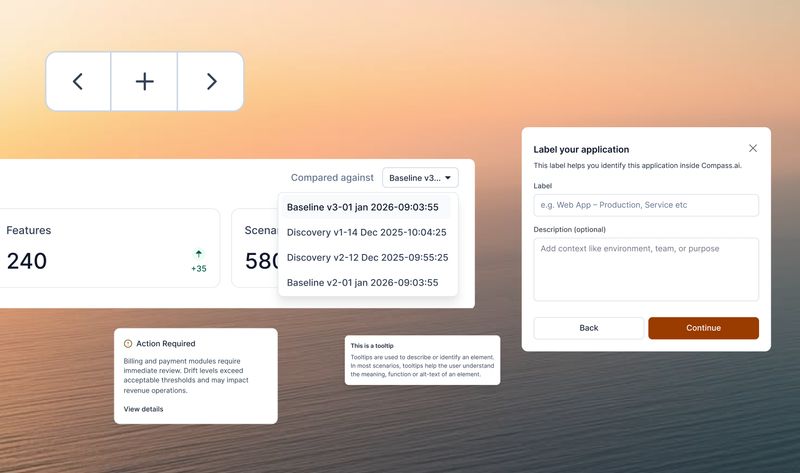
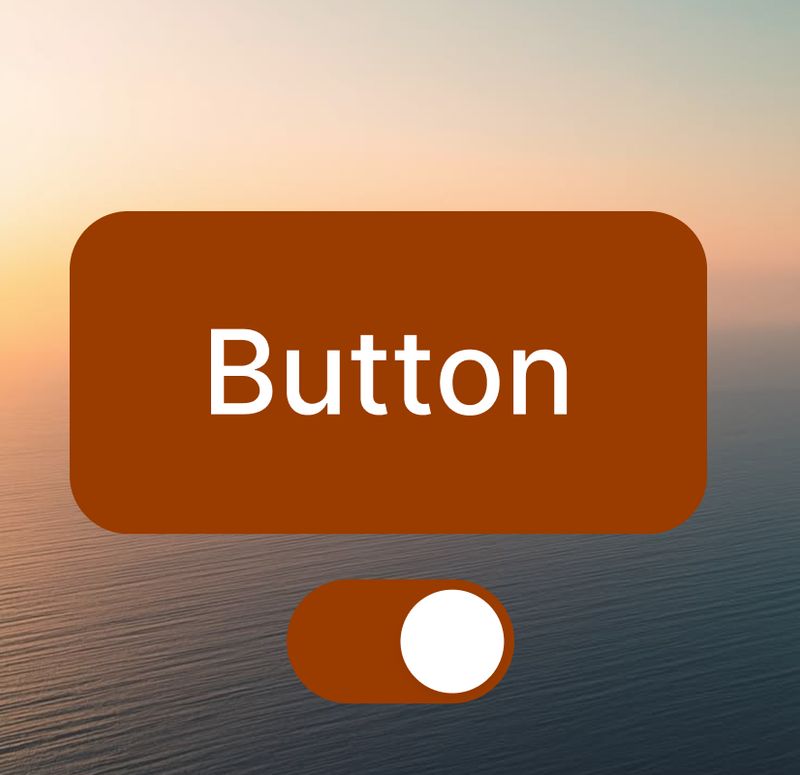
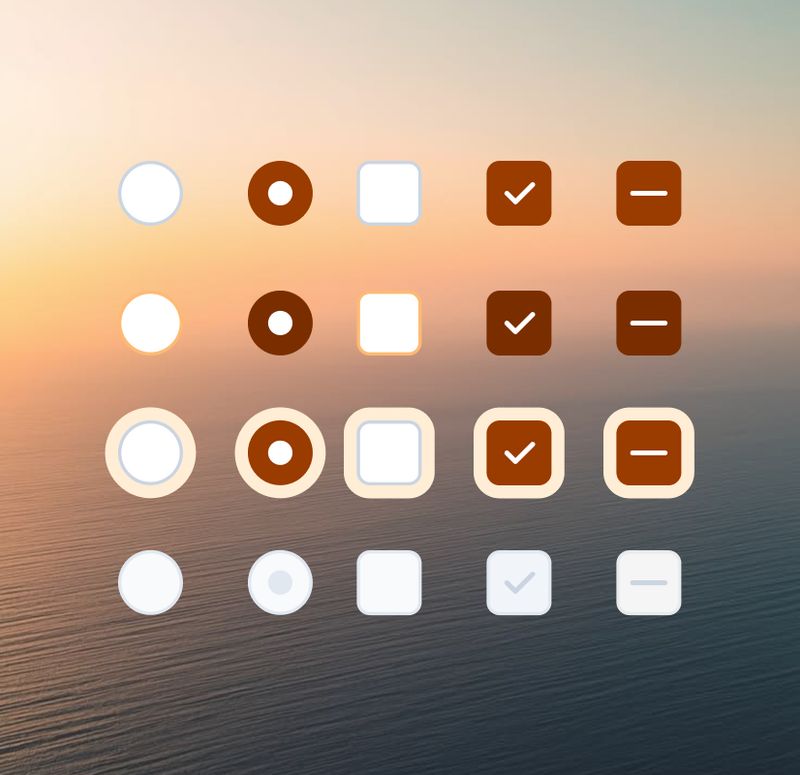
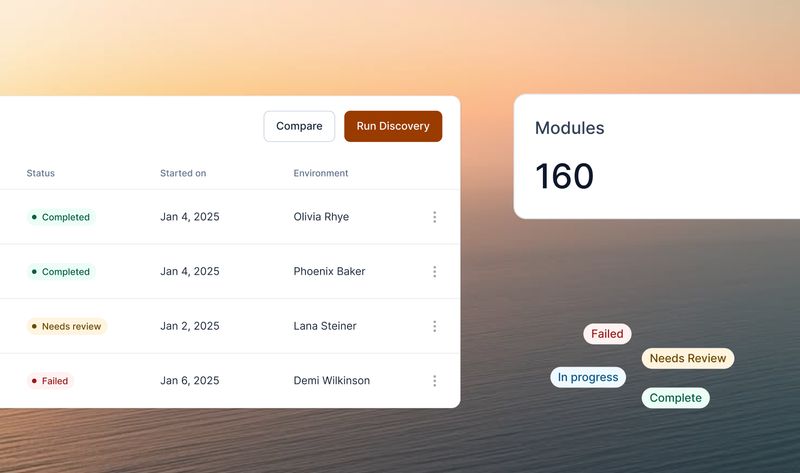
Outcome
A system designed to scale across products and workflows
The design system established a shared foundation for product interfaces, reusable components, and design-to-code workflows.
More consistent interfaces
Shared foundations and semantic rules reduced one-off styling decisions.
Cross-platform readiness
Token outputs were organized to support platform-specific implementation.
AI-ready design context
Structured documentation gave AI agents a clearer reference for applying design decisions in code.
Reflection
A design system must work beyond Figma
A design system creates value when its decisions carry through to implementation. Connecting tokens, components, and coding workflows was essential to making the system useful beyond the design team.
More projects
See all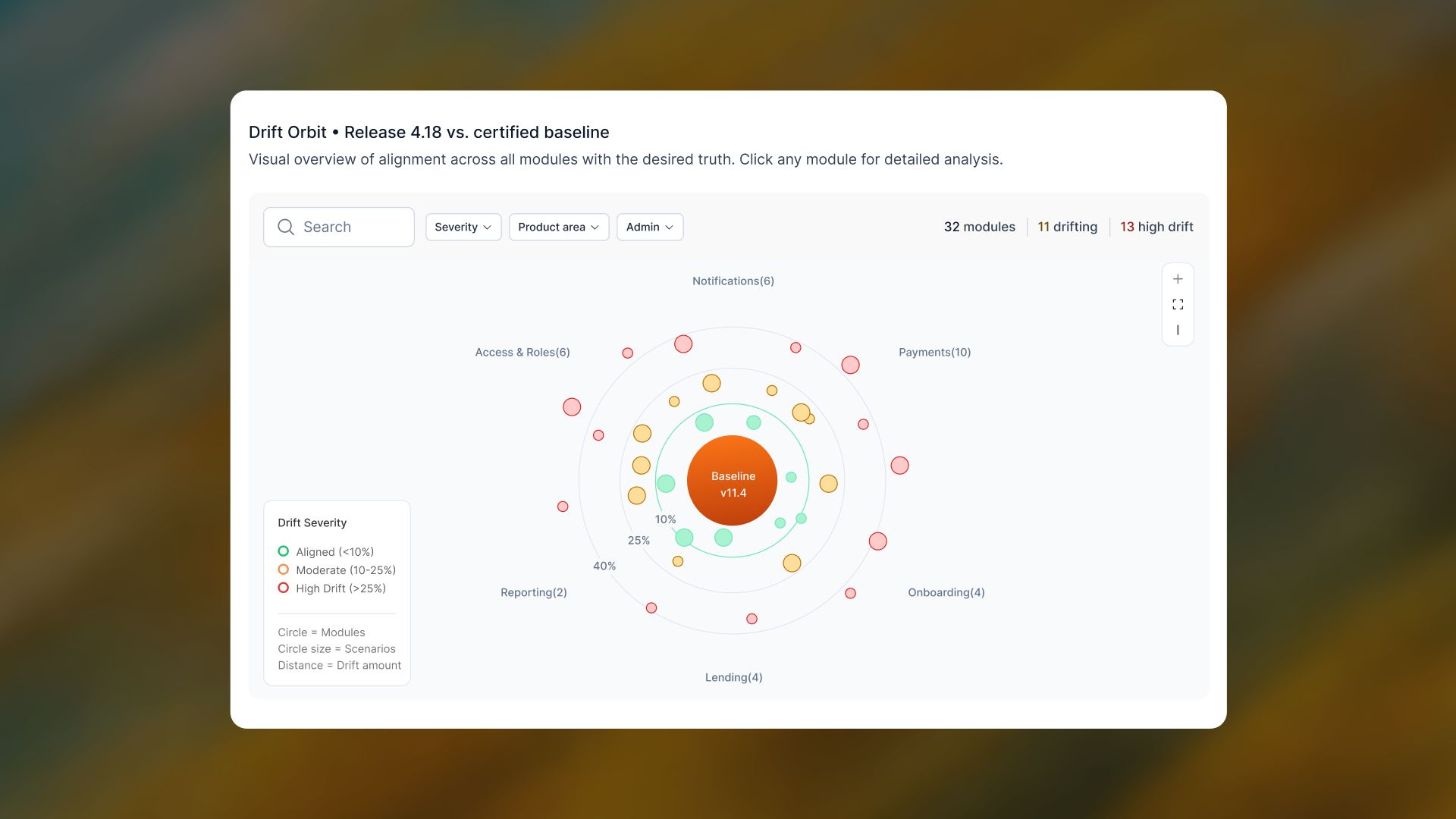
Designing an Agentic Quality Intelligence Platform
Designing an Agentic Quality Intelligence Platform
2026B2B • Product design
- Coming soon
GYST - Designing More Trustworthy Time Predictions
GYST - Designing More Trustworthy Time Predictions
2026Personal project

Making Enterprise Data Mapping Accessible
Making Enterprise Data Mapping Accessible
2025Enterprise SaaS • Feature